
How to Create a Relaxation-Focused Itinerary for Your Weekend Getaway
Planning a weekend getaway focused on relaxation can enhance your overall well-being and provide a much-needed break from daily stresses. In this article, we will explore practical steps to create an itinerary that prioritizes rest and rejuvenation, ensuring that you return home feeling refreshed.
Understanding the Importance of Relaxation
Many users report that a well-structured relaxation-focused itinerary can help reduce stress and improve mental clarity. According to research, taking time away from daily responsibilities can lower cortisol levels and enhance mood. This is particularly important as chronic stress has been linked to various health issues, including anxiety and cardiovascular problems.
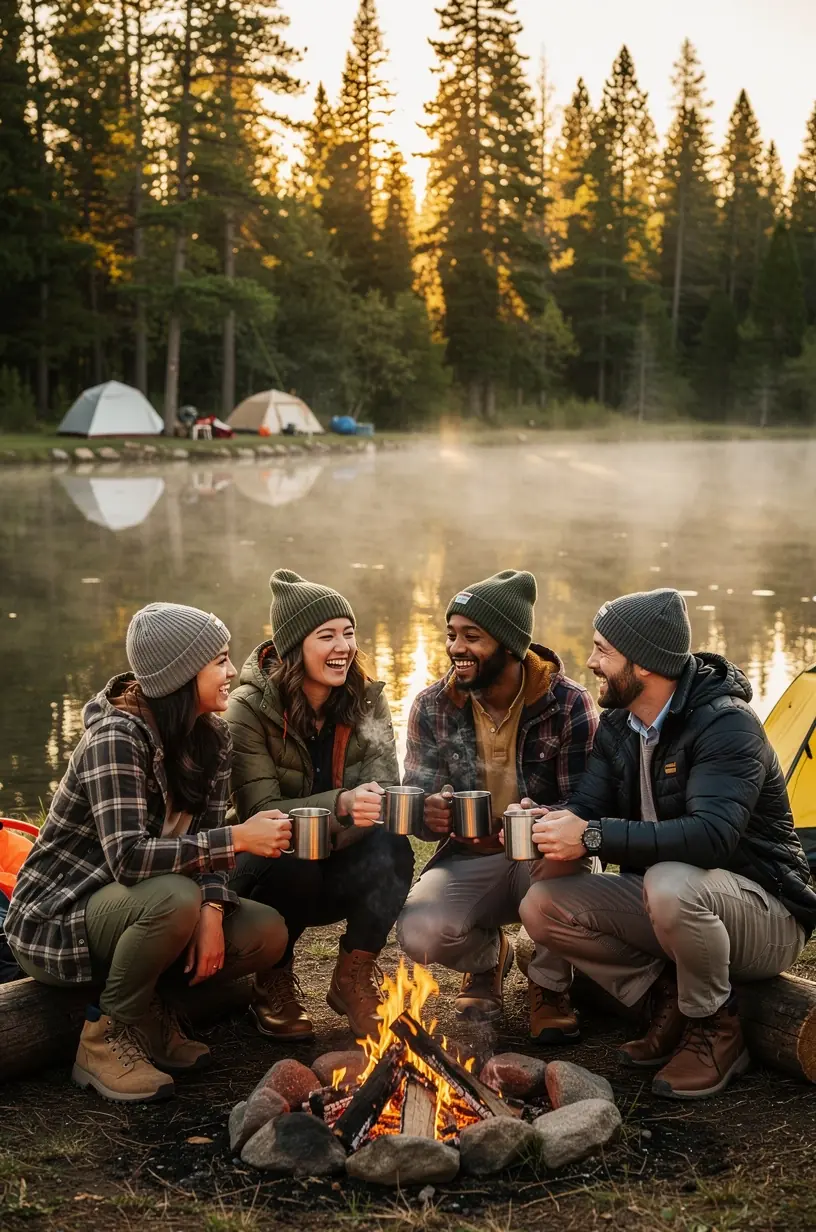
"Taking time to relax is not just a luxury; it's a necessary component of a healthy lifestyle." - Industry Expert
Step-by-Step Guide to Crafting Your Itinerary
Creating an effective relaxation-focused itinerary involves thoughtful planning and consideration of your personal preferences. Here are some steps to help you get started:
- Choose Your Destination: Select a location known for its calming environment. Many people find that rural settings, such as National Parks or coastal towns, typically offer the tranquility needed for relaxation.
- Plan Relaxation Activities: Incorporate activities that promote relaxation, such as yoga, meditation, or spa treatments. Research suggests that engaging in these activities for at least 30 minutes daily can significantly improve relaxation levels.
- Include Downtime: Schedule periods of unstructured time into your itinerary. Experts recommend allowing yourself at least 2-4 hours each day to unwind without planned activities, which can enhance the overall relaxation experience.
Finding the Right Balance
While it may be tempting to fill your itinerary with numerous activities, it’s essential to find a balance that prioritizes relaxation. A common practice is to limit your scheduled events to one or two per day. This approach works best when combined with ample free time, allowing you to enjoy spontaneous moments and reduce feelings of being overwhelmed.
Considerations and Limitations
It’s important to acknowledge that creating a truly relaxing getaway may require some effort. For instance, if you are traveling with family or friends, coordinating everyone’s preferences can be challenging. Additionally, ensure that you are realistic about the time and energy you have available for travel; an itinerary that is too ambitious may lead to increased stress instead of relaxation.
Conclusion
By following these guidelines, you can create a relaxation-focused itinerary that suits your needs and helps you unwind during your weekend getaway. Remember, the goal is to enjoy your time away, so be flexible and allow for adjustments as necessary. Ultimately, prioritizing downtime and engaging in soothing activities can lead to a more fulfilling and restorative experience.
Learn More