
Identifying Local Flora and Fauna on Nature Walks
Nature walks offer a wonderful opportunity to connect with the environment, but many enthusiasts often find themselves unsure about the plants and animals they encounter. This article will provide practical insights into identifying local flora and fauna, enhancing your experience while fostering a deeper understanding of the ecosystem.
Understanding the Basics of Flora and Fauna Identification
Identifying local plants and animals involves more than just observation; it requires an understanding of ecology and the characteristics that define each species. According to experts, engaging with nature through observation can significantly enhance one’s appreciation for biodiversity and environmental stewardship.
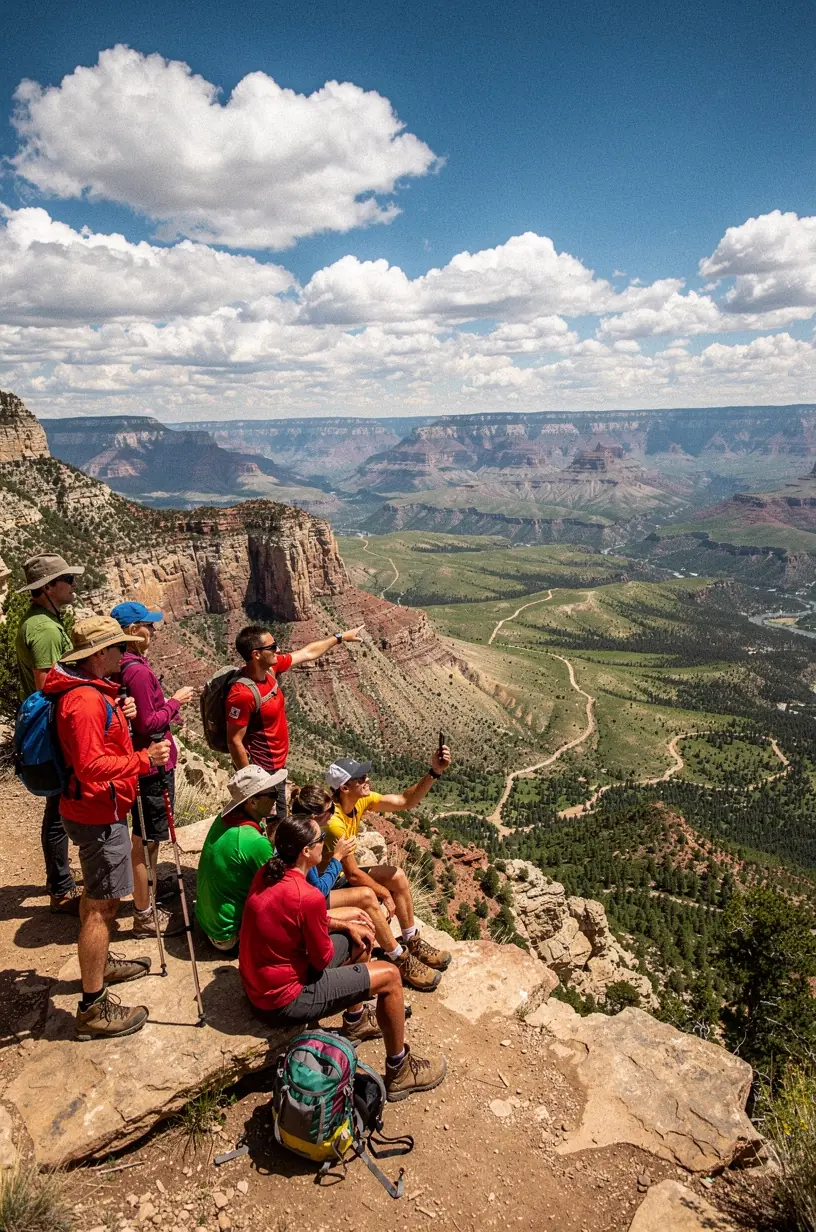
Research indicates that individuals who actively learn about their surrounding ecosystems often report greater satisfaction during nature excursions. This engagement enhances both awareness and enjoyment of the environment.
"Learning about local flora and fauna can transform a simple walk into an educational adventure."
Practical Steps for Identification
Here are some actionable strategies for identifying local flora and fauna during your nature walks:
- Carry a Field Guide: A good field guide specific to your region can be invaluable. Many users find that having visual references helps in identifying unknown species. Choose a guide that includes detailed descriptions and images.
- Download Identification Apps: There are numerous mobile applications designed to assist with plant and animal identification. Studies show that these tools can improve accuracy in identification, particularly for beginners.
- Join Local Nature Groups: Many communities have nature clubs or guided walks led by knowledgeable leaders. Participating in these groups can provide hands-on learning experiences and access to expert insights.
Tips for Successful Identification
Identifying flora and fauna can sometimes be challenging. Here are some additional tips to enhance your experience:
- Observe Key Characteristics: Pay attention to details such as leaf shape, flower color, and animal behavior. This works because many species have unique traits that can help in identification.
- Consider the Habitat: Understanding the type of environment you are in can provide clues about what species you might encounter. For example, wetlands often host different flora compared to forests.
- Be Patient: Identification can take time and often involves a learning curve. It is important to approach each encounter with curiosity and openness.
Conclusion
Identifying local flora and fauna on nature walks is both a rewarding and educational experience. By utilizing field guides, apps, and community resources, you can enhance your understanding of the natural world around you. Remember that while the process may require patience and effort, the insights you gain can significantly enrich your connection with nature. Happy exploring!
Learn More