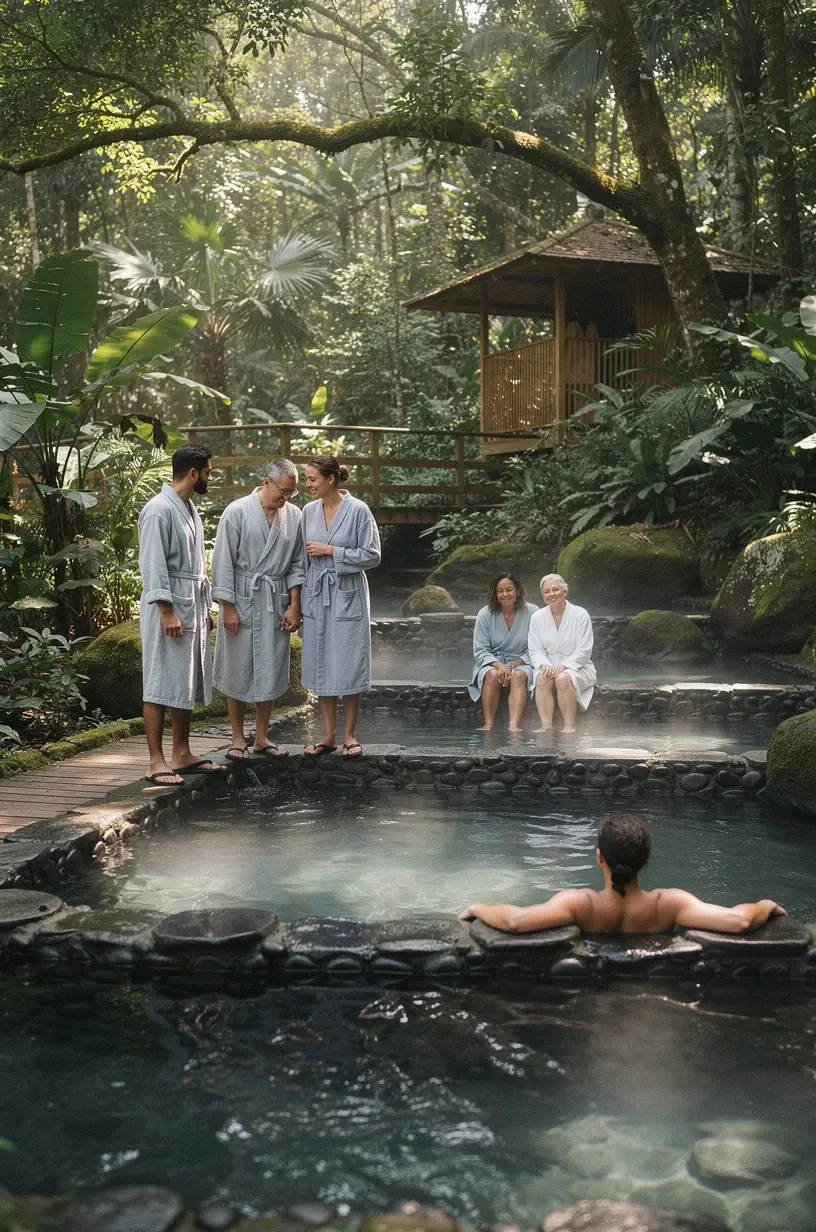
The Role of Nature in Stress Reduction Techniques
In today's fast-paced world, stress has become a common issue affecting many individuals across the United States. As we search for effective methods to alleviate stress, an emerging trend points towards the healing power of nature. This article explores the various ways nature can play a crucial role in stress reduction techniques.
Understanding the Importance of Nature
Research indicates that spending time in natural environments can lead to a significant reduction in stress levels. According to a study published in the journal Environmental Health Perspectives, individuals who spend time in green spaces report lower levels of cortisol, a stress hormone. This finding suggests that nature can serve as a natural stress reliever, helping to alleviate anxiety and promote relaxation.

"Nature is not a place to visit. It is home." - Gary Snyder
How Nature Affects Stress Levels
There are several mechanisms through which nature can reduce stress:
- Psychological Restoration: Nature offers an escape from the daily hustle and bustle, providing a calming environment that can restore mental energy and improve mood.
- Increased Physical Activity: Engaging with natural settings often encourages physical activity, which is known to release endorphins, chemicals in the brain that help combat stress.
- Enhanced Social Interaction: Outdoor activities can foster social interactions, which are vital for emotional support and stress management.
Practical Approaches to Incorporate Nature
Here are some effective ways to harness the benefits of nature for stress reduction:
- Take Regular Nature Walks: Aim for 30 minutes of moderate walking in a park or nature reserve at least twice a week. Research shows this can help reduce feelings of anxiety.
- Practice Mindfulness Outdoors: Incorporating mindfulness techniques, like deep breathing or meditation, while surrounded by nature can enhance relaxation. Studies often show that this combination can significantly improve mental well-being.
- Create a Green Space at Home: Even small indoor plants can provide calming benefits. A study in the Journal of Physiological Anthropology suggests that indoor plants can reduce stress and improve focus.
Acknowledging Limitations
While nature can be a powerful ally in managing stress, it's important to recognize that these techniques often require time and consistent engagement. Many users report that the benefits become more pronounced with regular practice, which typically takes a few weeks to notice significant changes in stress levels. Furthermore, individuals dealing with chronic stress or anxiety disorders may require additional support from professionals.
Conclusion
Incorporating nature into stress reduction techniques offers a reliable approach that has proven effective for many individuals. By understanding the mechanisms through which nature impacts our mental health, we can make informed decisions about how to integrate these practices into our lives. While it's not a one-size-fits-all solution, many people find solace and relief in the natural world. Embracing nature as a part of a stress management strategy can lead to long-term improvements in overall well-being.
Learn More